

About QuickJs
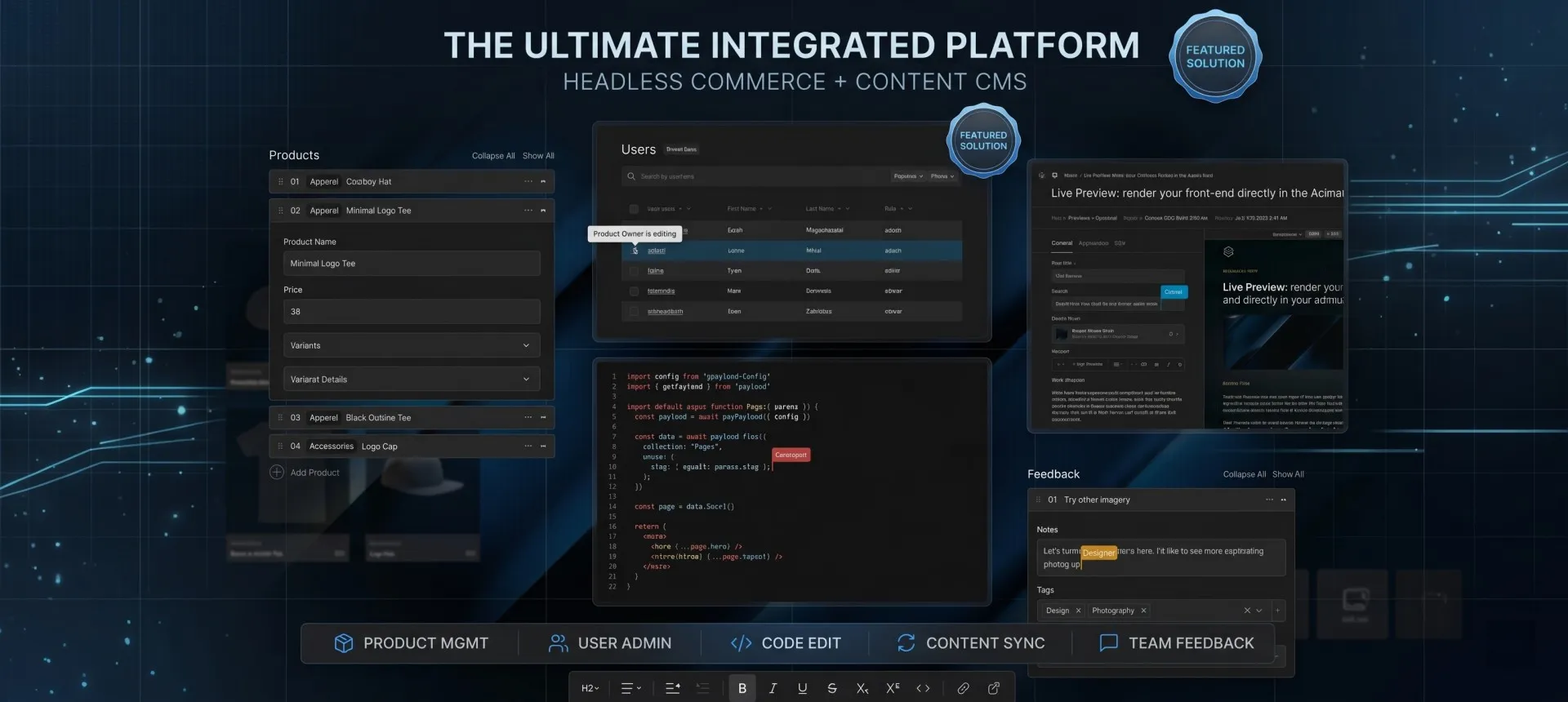
QuickJs: The Next.js Headless CMS for Non-Technical Users, code-first headless CMS and application framework native to Next.js. It installs directly into your existing project—eliminating the need for third-party SaaS subscriptions. Developers use it to manage databases, automatically generate a React-based admin UI, and build full-stack applications.
The backend to build the modern web. Ready to upgrade your workflow? Let Stacknxt Inc help you build something great.
Our Tech Stack
The digital system was built using reliable and scalable technologies that supported smooth performance across web and mobile. Each part of the solution was developed with tools that ensured speed, stability, and long-term growth.
- Management Dashboard — NextJs, TypeScript, Tailwind CSS, Node.js, MongoDB
- Authentication and Access Control — JWT, Role-Based Access Control
- Hosting and Deployment — AWS (Amazon Web Services), Google Cloud, Digital Ocean
- SEO — Breadcrumbs, structured data, Open Graph, canonical, sitemap, robots
Key Features
Describe the scope of the library. Power anything you can imagine.
- Headless CMS
- Digital Asset Management
- Custom Themes
- One-Click Installation
- Auto Layout (Desktop, Mobile, Tab)
- 30+ Components
Code-First Configuration: Manage your database schemas, user roles, authentication, and localization entirely in TypeScript/JavaScript via a strongly typed config.
Next.js Native: It functions directly within the Next.js App Router, supporting modern features like React Server Components, Live Preview, and on-demand revalidation.
Self-Hosted Flexibility: Run it anywhere, including cost-effective serverless platforms like Vercel, Render, or Netlify.
Use Cases
Walk through how the design tokens, variants, and documentation were structured. This is where designers and developers reading your portfolio will pay attention.
Results
Code-first for developers and non-technical Users. Content-first for marketers.
Simplify your development stack.
From code to content, Quickjs’s open-source flexibility and maintainability supports a wide range of development and marketing use cases.